
Inclusion Isn’t Optional, It’s Essential

Don’t Be Late to Accessibility

Remember the pre-responsive design era?  Websites were a jumbled mess on mobile devices, text was microscopic, buttons were impossible to tap, and frustration reigned supreme. Responsive design revolutionized the web, making it accessible for everyone, regardless of device. Accessibility is the next big step in this evolution, and just like responsive design, it’s not a trend, it’s a necessity. Here’s why your business can’t afford to be late to the accessibility party.
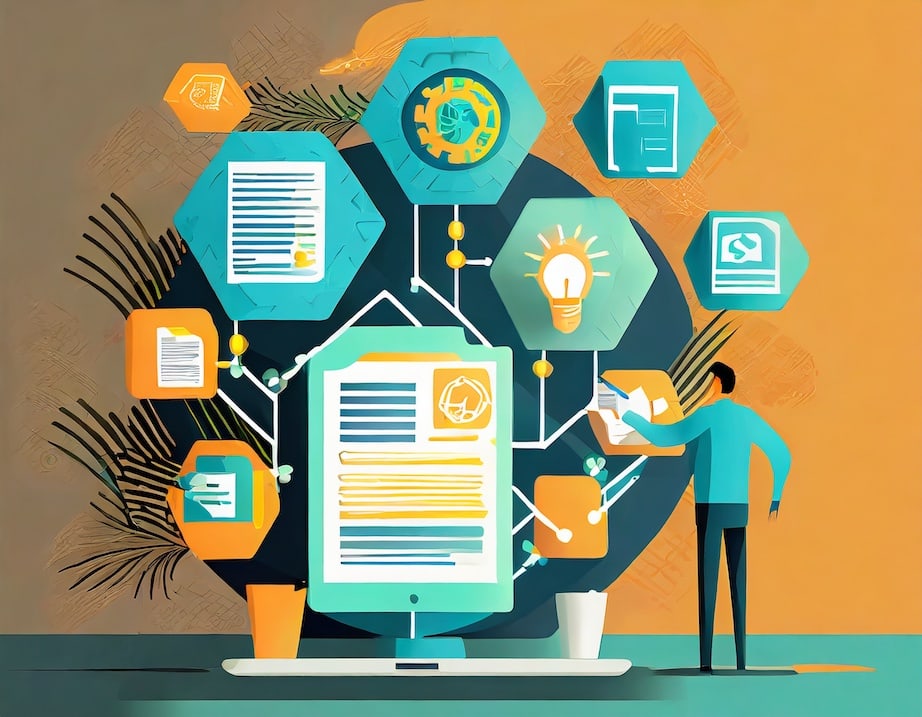
Illustration showing the power of accessibility and how it's readily available to all via ClarityPDF

The Rules Are Changing (for the Better)

For decades, accessibility has been seen as a “nice to have.” But the landscape is shifting. The World Wide Web Consortium (W3C) https://www.w3.org/], the international community for web standards, has developed the Web Content Accessibility Guidelines (WCAG) https://www.w3.org/WAI/standards-guidelines/wcag/], a set of internationally recognized standards for making web content accessible to people with disabilities.

Many countries, including the United States https://www.section508.gov/], are now mandating accessibility compliance for government websites and digital services. This trend is spreading to private companies as well, with lawsuits against inaccessible websites on the rise. The European Union’s Accessibility Directive (EU Directive 2016/2102) [EU Directive on the accessibility of the public sector bodies’ websites and mobile applications: https://eur-lex.europa.eu/legal-content/EN/TXT/?uri=CELEX%3A32016L2102] further emphasizes the growing legal obligation for businesses to prioritize accessibility.

Beyond Compliance: The Moral and Business Case for Accessibility

But focusing solely on compliance misses the bigger picture. Consider the frustration of pre-mobile-friendly websites. Inaccessible websites are equally frustrating for users with disabilities, hindering their ability to navigate, engage, and ultimately, convert.

The Good Accessibility News

Making your website accessible doesn’t just prevent legal trouble; it’s good business. Studies by the WebAIM https://webaim.org/] show that accessible websites experience:

  • Increased User Engagement: Accessible features like clear navigation, alternative text descriptions for images, and keyboard compatibility improve user experience for everyone, leading to higher engagement and longer time spent on site. A 2018 report by the National Center for Disability and Journalism found that users with disabilities are more likely to abandon websites that are difficult to use.
  • Improved Conversion Rates: When everyone can navigate and understand your offerings, conversion rates rise. A study by Benetech https://www.benetech.org/] found that websites with good accessibility features saw a 7% increase in conversions.
  • Enhanced Brand Reputation: Demonstrating social responsibility through accessibility builds trust and a positive brand image. A 2019 survey by PwC https://www.pwc.com/] found that 83% of consumers are more likely to support a brand that is committed to diversity and inclusion.

The Cost of Inaccessibility: More Than Just Fines

On the flip side, the cost of not being accessible can be significant. Lawsuits for non-compliance can result in hefty fines, reputational damage, and lost business opportunities. A 2022 report by the National Federation of the Blind https://nfb.org/] estimates that there are over 2,800 lawsuits filed annually against businesses for website accessibility violations in the US alone.

A Win-Win for Everyone

The benefits of accessibility extend far beyond compliance. By creating an inclusive digital experience, you’re opening your doors to a wider audience, fostering brand loyalty, and boosting your bottom line. Consider this: according to the World Health Organization [World Health Organization website: [https://www.who.org]

Need Help with PDF or Digital Accessibility?

With over 20 years of experience we’re hear to provide insight, answers and solutions to your accessibility problems.